
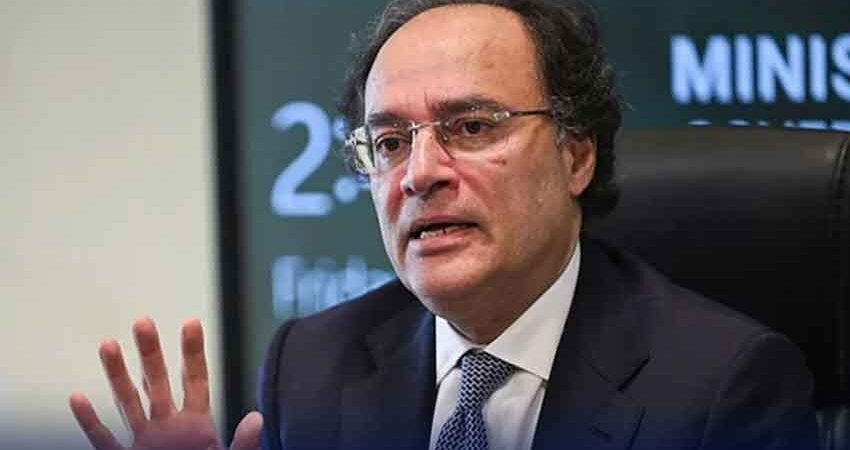
Pakistan is Transitioning from Aid to Trade and Investment; Remittances Expected to Reach $44 Billion This Fiscal Year, States Finance Minister Muhammad Aurangzeb
ISLAMABAD: Muhammad Aurangzeb, the minister for finance and revenue, has said that Pakistan’s economic path is clearly moving away from foreign aid and towards sustainable trade and direct investment, emphasizing on building international partnerships and bilateral economy relations.
During a news Asia Channel interview, the finance minister explained that Pakistan is not pursuing economic ties with other longstanding strategic partner nations such as the Gulf countries, China, the United States, or others as mutually exclusive but as a simultaneous process.
The Finance Minister Policy Overview highlights some of the key elements of the Ministerial Policy Statement.
Positive Economic Indicators – Aurangzeb said Pakistan earned remittances of $41.6 billion in the previous fiscal year and the current fiscal year will see its remittances climb up to $44 billion, driven by strong financial flows from the Gulf cooperation countries.
The minister also said the first phase of the China-Pakistan Economic Corridor (CPEC) has been mainly about the construction of infrastructure such as roads, ports, power plants etc while the second phase is about maximising economic returns, increasing business opportunities, promoting joint ventures, and manufacturing export-oriented goods.
Pakistan’s relations with the U.S. and the Regional Partners: Aurangzeb noted that Pakistan is seeking to strengthen commercial and economic relations with the U.S., its largest export market, through robust diplomatic contacts with the U.S. administration. He also highlighted Islamabad’s efforts to tap into new opportunities for cooperation with Central Asian countries, the nations of ASEAN, as well as the Gulf countries, and praised the visit of the leadership of both Malaysia and Indonesia, which has improved regional connectivity to a great extent.