
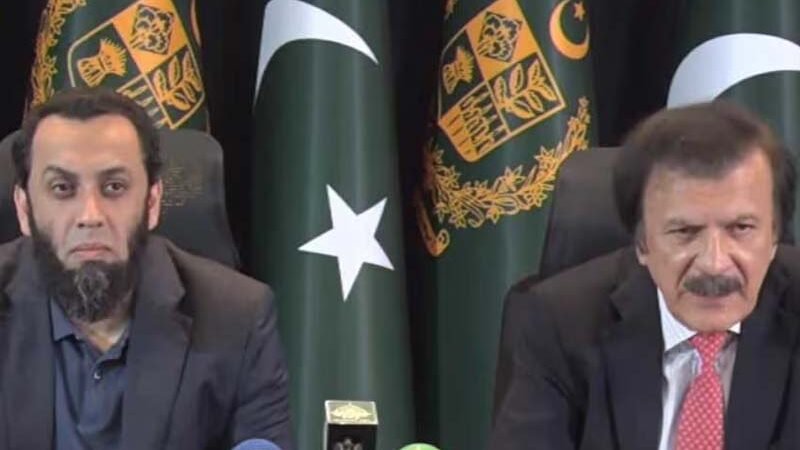
New National Auto Policy Officially Approved Following Extensive Consultations; Vehicle Prices Expected to Decrease While Advance Payments Are Capped at 20 Percent, Announces PM Adviser Haroon Akhtar
ISLAMABAD: A comprehensive new national automotive policy has just been formally approved by Prime Minister’s Adviser on Industries and Production Haroon Akhtar Khan and will provide consumers with some respite in the form of reduced vehicle prices in the coming years, along with a bold export quota of $6 billion.
At the press conference, Speaker of the House of the People Haroon Akhtar said that large-scale manufacturing is a major thrust of government policy and auto industry has a significant contribution to the industrial development of the country.
Six Core Pillars and Price Reductions: Akhtar said the new policy is based on six core pillars, of which the most significant are to provide vehicles at affordable prices for middle and lower-middle income people, improve localization and transparency. Except for luxury cars, retail prices for all categories are expected to fall. Export Expansion and Penalties: Point out the lack of growth in auto exports over the last 10 years and focus on export-led growth, aiming for the current $200 million to rise to $6 billion.
The manufacturers who do not fulfill the required export quotas will be penalized with monetary fines.Cap on Advance Bookings: The policy will prevent any vehicle manufacturing company or dealership from taking more than 20 percent as an advance payment of the total price of the vehicle, to protect the interests of the consumers and to prevent any sort of exploitation in the market.Increased Safety Standards: To meet international standards, there are 45 added safety standards in the regulations, which has raised the safety and build quality of vehicles produced in Pakistan.
Electric Vehicles (EVs) promotion: The government has brought in far-reaching incentives for EVs due to the changing regional dynamics and environmental concerns. The EV financing ceiling has been dramatically increased from Rs 2 million to Rs 10 million and import taxes on charging station machinery have been dramatically reduced, while local EV adoption, from electric motorcycles to scooters, will be backed in a strong manner by the state.