Chinese President Xi Jinping Urges US to Implement Islamabad Memorandum, Emphasizing Strategic Cooperation and Ending Zero-Sum Competition
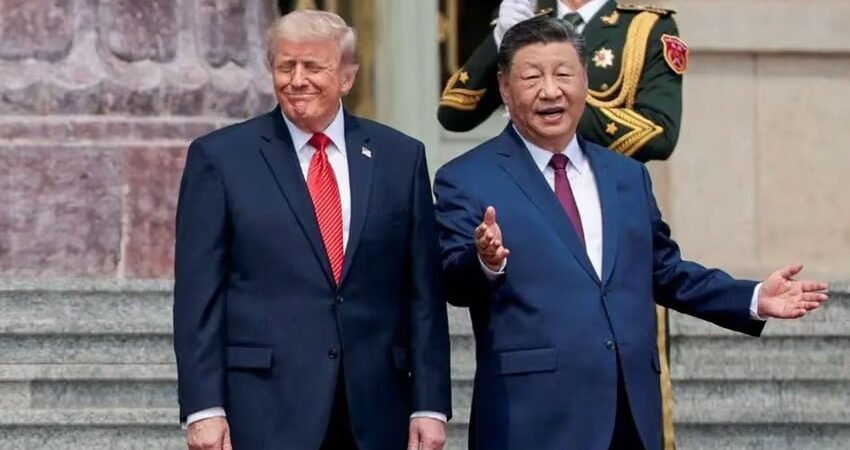
WASHINGTON D.C.: Chinese President Xi Jinping has made a high-level call for his US counterpart to “support and implement” Islamabad Memorandum during his landmark visit to Washington, calling for renewed diplomatic ties between Washington and Tehran.
President Xi, as an honored guest at the White House, urged the United States and Iran to resume negotiations as soon as possible to settle any outstanding disputes through peaceful discussions. He was hopeful that the two countries will be able to use the framework of the negotiations to resolve nuclear issues and reach a long-term comprehensive peace agreement.
Beijing Backs the June Islamabad Memorandum
As part of the consistent foreign policy position of Beijing, President Xi reaffirmed China’s belief in respecting the sovereignty and territorial integrity of states and its constructive role in the process of de-escalation in the region. He also pointed out that he was in favour of both Washington and Tehran adhering to the framework of the Islamabad Memorandum agreed to in June.
Moving Beyond Zero-Sum Competition
Turning to the bilateral ties between the world’s two biggest economies, President Xi made it clear what he had to say about world superpower relations:
Doing away with Win-Win attitudes: President Xi said that both countries must change the “traditional game of winner-takes-all” mentality.
Strategic Relations: He emphasized that bilateral cooperation must be based on a new operational model and called on both sides to build their relationship into a “strategic partnership of maturity and constructive approach.
The long-awaited presidential summit also resulted in detailed talks about international trade pacts, supply chain management, and AI governance aspects.